Lined Pipe Fittings About
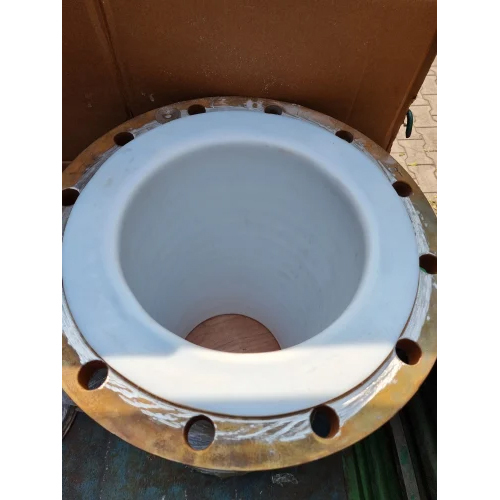
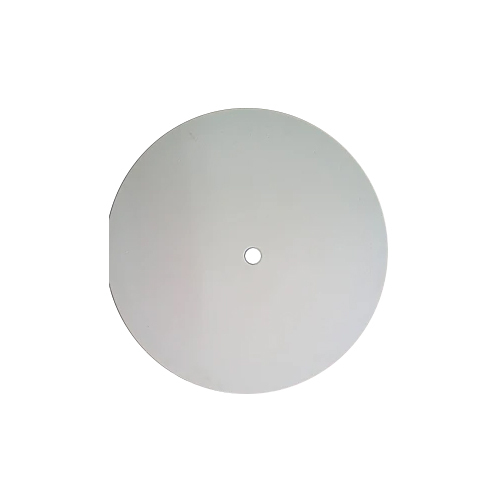
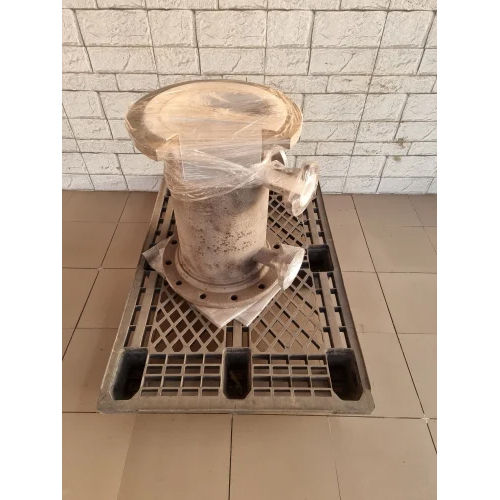
Our firm is distributing a distinct range of Lined Pipe Fittings is made by using high quality required materials with the help of latest techniques and tools under the supervision of our professionals. It is utilized in plumbing or industrial system for connecting and controlling the flow of pipes. This item is appreciated in the market because of its superb strength, exceptional chemical resistance, low coefficient of friction, and high temperature resistance. The entire range of our provided items are tested on the various quality parameters before dispatching them from our premises. We supply this Lined Pipe Fittings at a market leading price rate within the stipulated time period.
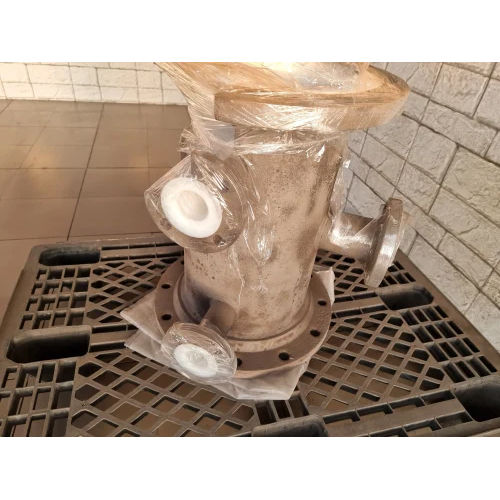
Superior Corrosion Resistance for Industrial ApplicationsEngineered for transporting aggressive fluids, these lined pipe fittings utilize PTFE/PFA/PP lining materials to provide excellent resistance against acids, alkalis, and solvents. Their high chemical compatibility extends service life and makes them suitable for harsh chemical plants, petrochemical processing, and pharmaceutical production.
Strict Quality and Safety StandardsEvery fitting is tested at 1.5 times its rated pressure to ensure leak-proof operation and is manufactured according to ASTM, DIN, and ISO standards. The non-flammable, insulating lining coupled with an externally epoxy-painted carbon steel body assures both safety and operational reliability.
Flexible and Customizable Design OptionsAvailable in multiple types-elbows, tees, reducers, crosses, and more-these fittings adapt to a variety of piping systems. They are offered in standard or custom lengths, with round section shapes and tolerances up to 1 mm, making them suitable for installations requiring precise fitting and flexibility.
FAQ's of Lined Pipe Fittings:
Q: How do I select the appropriate lined pipe fitting for my chemical application?
A: To select the correct fitting, assess the chemical compatibility of the lining (PTFE/PFA/PP) with your process media by consulting the manufacturer's compatibility charts. Consider the required dimensions, pressure, and temperature ranges, alongside the fitting's end connection standard (ASME B16.5 or EN 1092-1).
Q: What process is used to line the pipe fittings, and how does it ensure durability?
A: The lining is applied either by injection molding or paste extrusion. These methods produce a uniform, strong inner surface that bonds securely to the carbon steel body, resulting in high chemical resistance, mechanical strength, and long-term durability even in corrosive environments.
Q: When should I use these lined pipe fittings instead of traditional metal ones?
A: Choose lined pipe fittings for processes involving corrosive or aggressive chemicals where unlined metal would degrade rapidly. Their excellent resistance to acids, alkalis, and solvents makes them essential in chemical, petrochemical, and water treatment industries.
Q: Where can these fittings be installed within a facility?
A: These fittings can be installed anywhere along pipelines that require corrosion protection-commonly at bends, branch connections, or transitions between different pipe sections in chemical plants, refineries, pharmaceutical manufacturing, and water treatment facilities.
Q: What maintenance is required for lined pipe fittings?
A: Routine maintenance is minimal. Periodic inspections for physical damage or signs of chemical attack are recommended. The smooth, non-stick lined interiors are easy to clean and resist fouling, ensuring reliable long-term operation with low maintenance outlay.
Q: How do the leakage and vacuum resistance features benefit my process safety?
A: Each fitting undergoes leak testing at 1.5 times its rated pressure, and is vacuum resistant up to -0.9 bar. These features provide enhanced safety and reliability by preventing both leaks and ingress of contaminants under negative pressure conditions.
Q: What are the advantages of having non-flammable and electrostatically insulating linings?
A: Non-flammable linings increase safety in fire-sensitive environments, while insulating options help prevent electrostatic charge buildup, reducing the risk of sparks or ignition during handling of flammable or volatile chemicals.




 Send Inquiry
 Send Inquiry

